.png)

How to Fix Common Sink and Faucet Problems
- Nov 10, 2025
- 2 min read
Sinks and faucets are used multiple times daily, but they often receive little attention until something goes wrong. Leaks, clogs, and low water pressure are the most frequent issues homeowners face. Understanding the causes and solutions helps maintain your plumbing system and avoid costly damage.
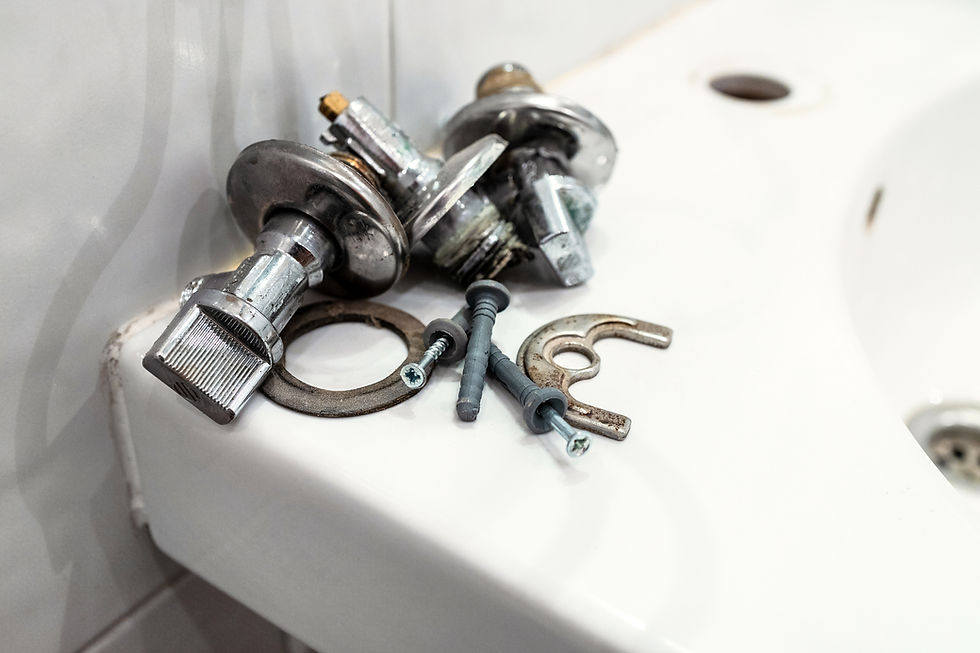
1. Leaky Faucet
A dripping faucet is not only annoying—it wastes water and increases your utility bills. The most common causes are:
Worn out washers or O-rings
Loose parts or seals
Corrosion inside the faucet
Replacing the washer or seal usually resolves the problem. For persistent leaks, a professional plumber can inspect and repair the internal components properly.
2. Low Water Pressure
Low water pressure can occur in a single faucet or multiple fixtures. Causes include mineral buildup, clogged aerators, or issues with supply lines. Cleaning the aerator, flushing the supply line, or repairing the valves often restores pressure. If the problem is widespread, it may indicate a larger issue in the plumbing system that requires professional attention.
3. Clogged Sink
Sinks often clog due to hair, soap, grease, or food debris. Small blockages can sometimes be removed with a plunger or drain snake. Persistent or recurring clogs may require professional drain cleaning to clear deeper pipe blockages and prevent future problems.
4. Noisy Faucet
Faucets making squealing, hissing, or knocking noises may have issues with water flow, loose parts, or high pressure. A professional plumber can diagnose the source and repair it to prevent further damage.
5. Faucet Replacement
Over time, older faucets may corrode or develop multiple leaks. Replacing the faucet entirely can be a better long-term solution than repeated repairs. Modern faucets also improve efficiency and reduce water waste.
When to Call a Professional
DIY fixes can handle minor issues, but persistent leaks, low pressure, or complex faucet repairs require professional expertise. Licensed plumbers have the tools and knowledge to:
Repair or replace worn faucet components
Clear stubborn clogs without damaging pipes
Diagnose hidden plumbing problems affecting multiple sinks
For professional sink and faucet repairs, visit:GP Plumbing Drainage and Repairs
Preventive Tips for Sinks and Faucets
Avoid pouring grease, oil, or food down the drain
Clean faucet aerators regularly
Tighten loose components when noticed
Schedule routine plumbing inspections
These simple habits reduce the frequency of repairs, extend the lifespan of your fixtures, and prevent leaks and water waste.
Sinks and faucets are essential for everyday life, yet problems often go unnoticed until damage occurs. Recognizing early signs and addressing them promptly keeps your plumbing system working efficiently. Contacting a professional plumber ensures reliable repairs, prevents further damage, and saves money over time.
Comments